About this piece
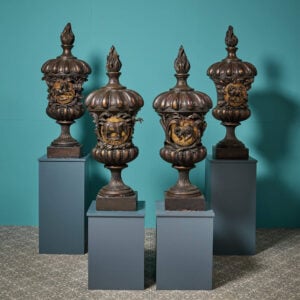
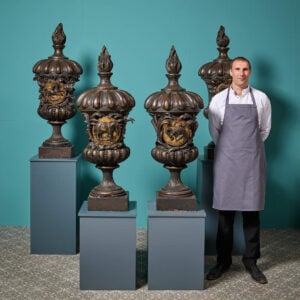
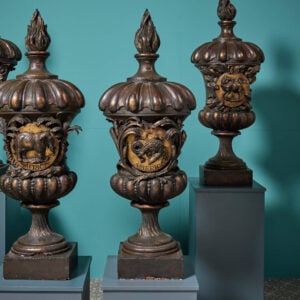
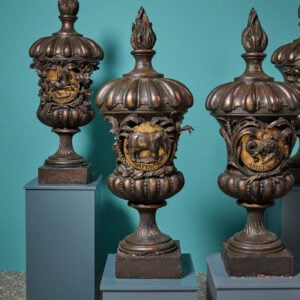
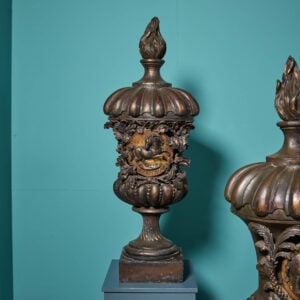
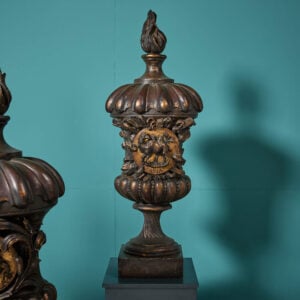
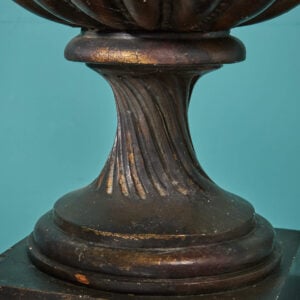
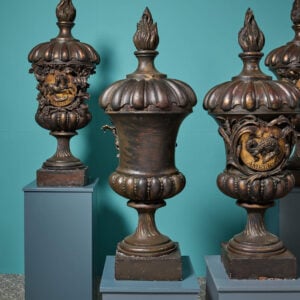
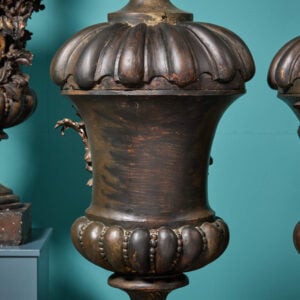
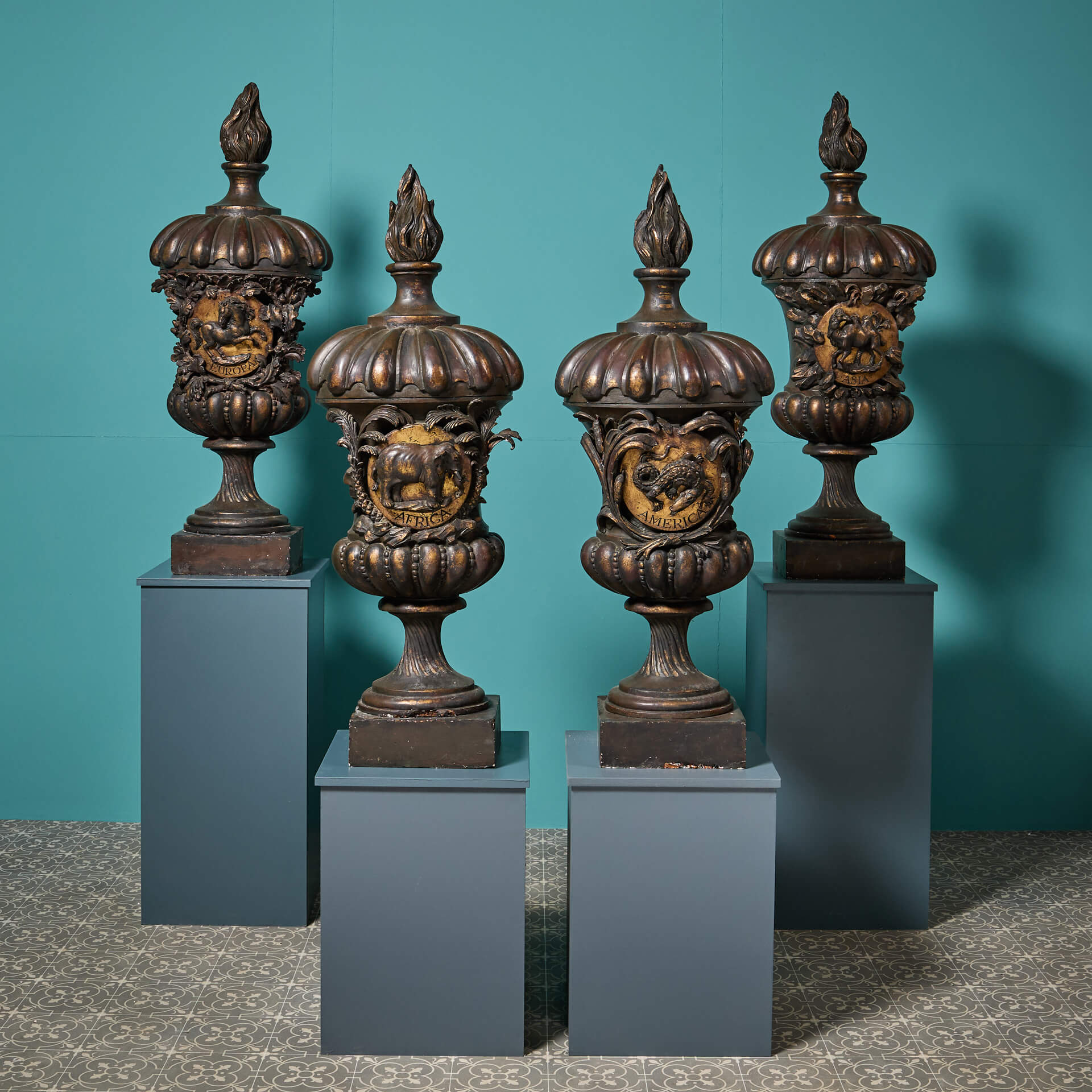
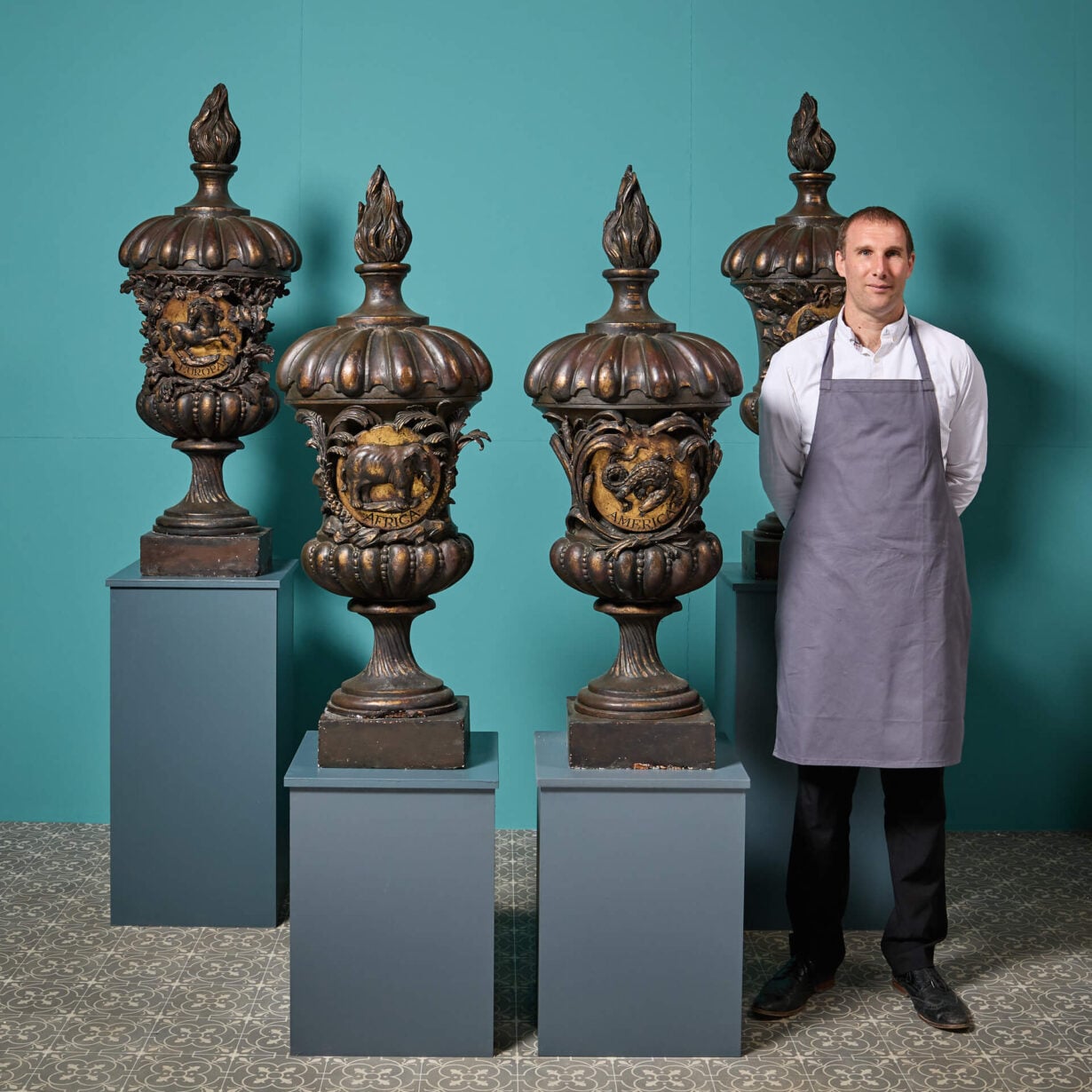
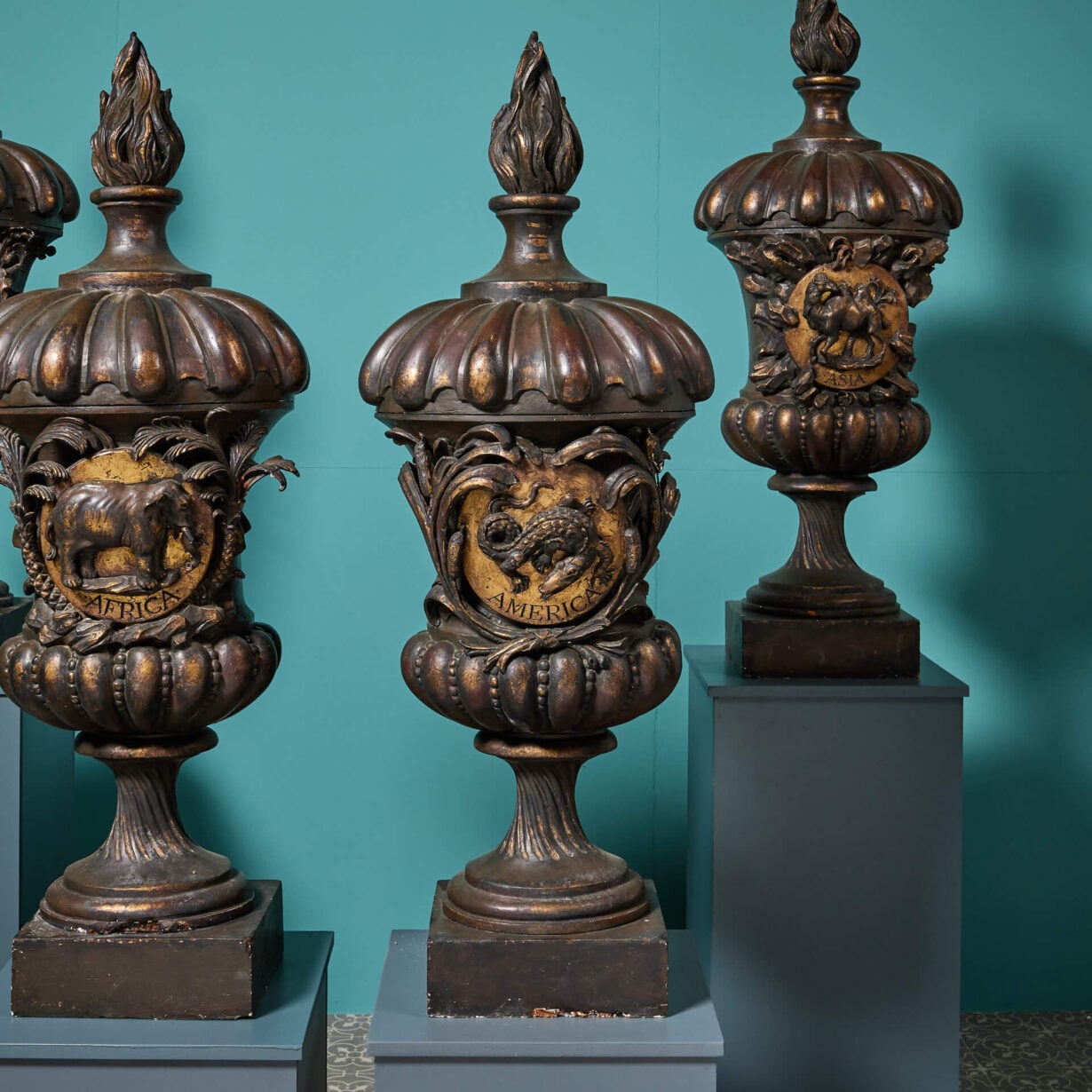
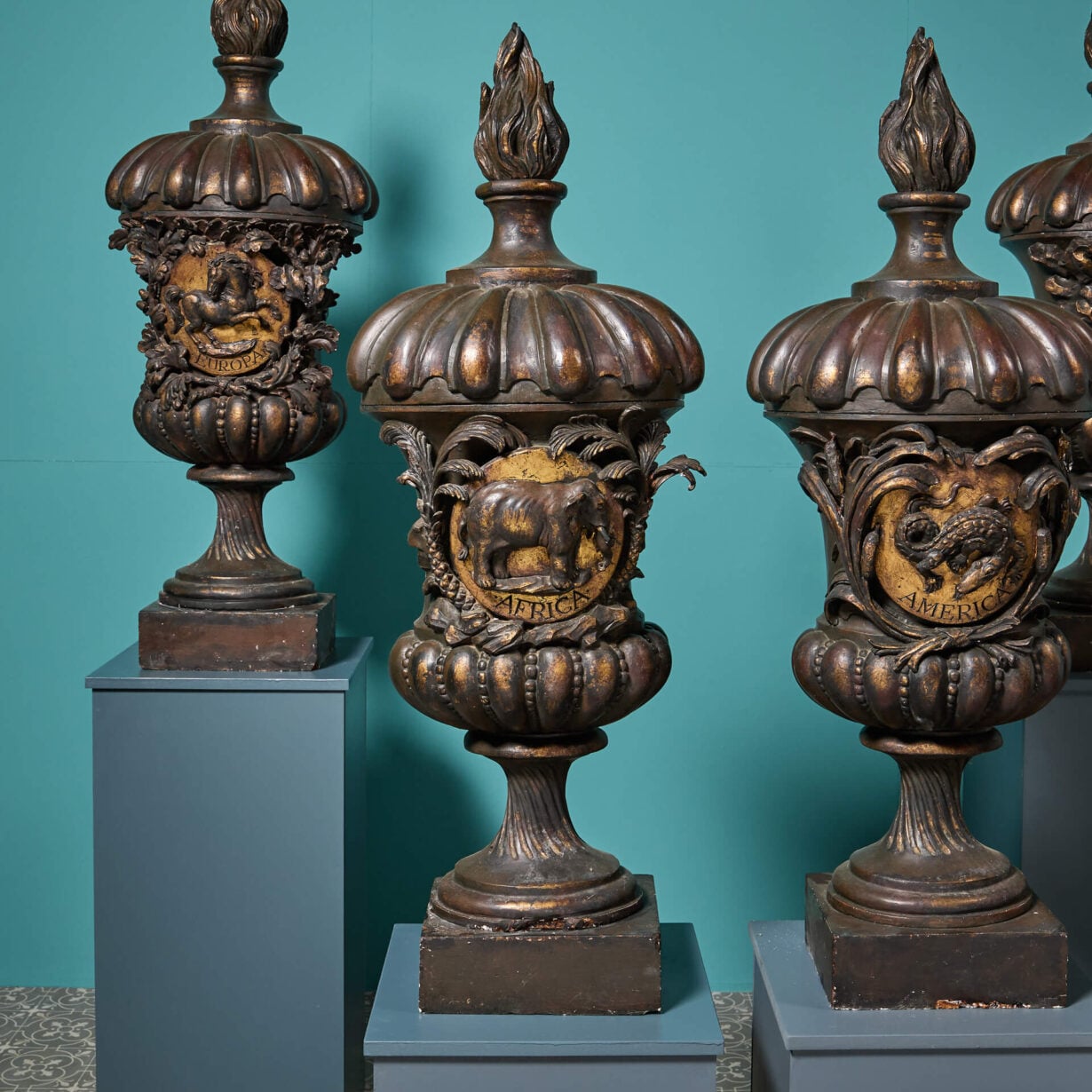
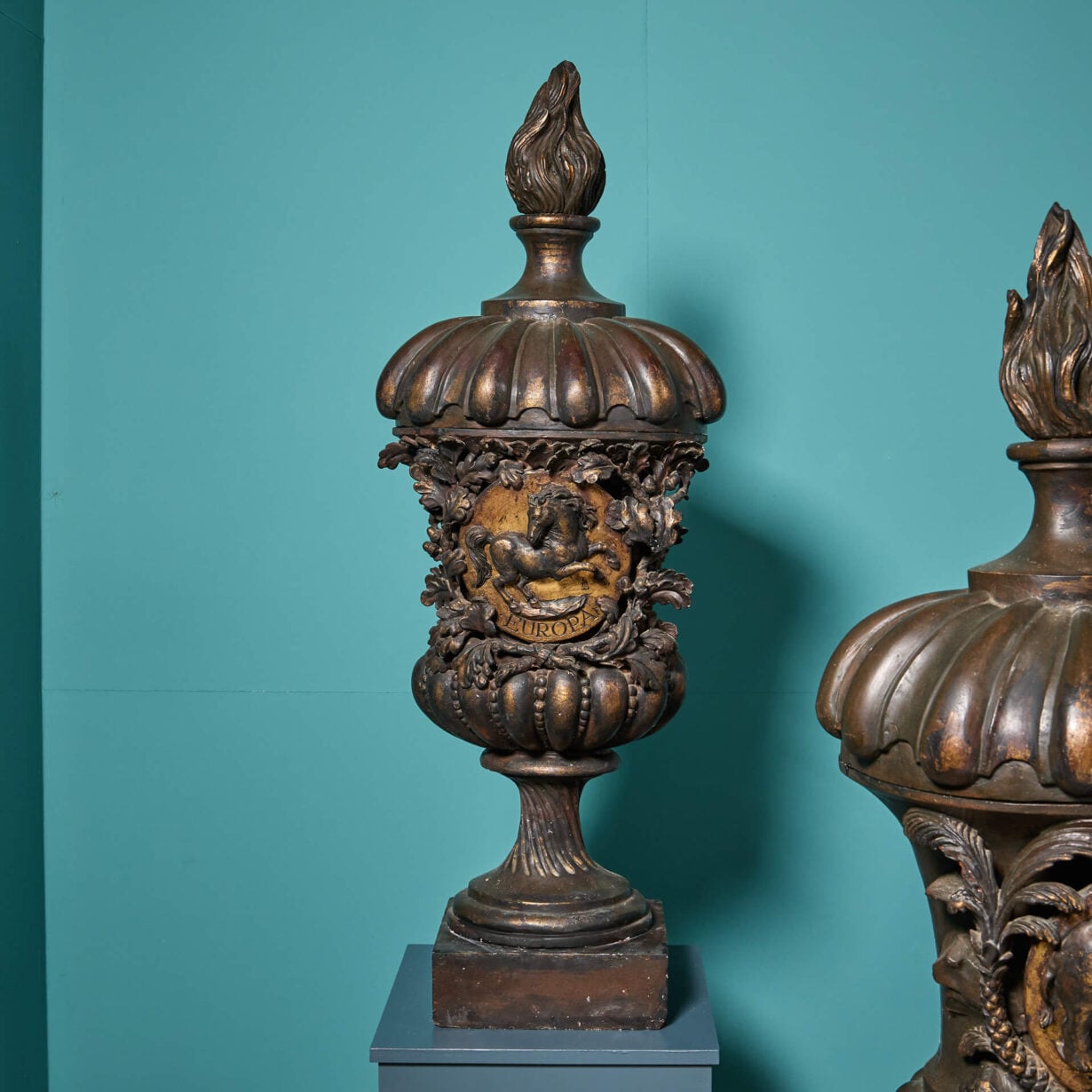
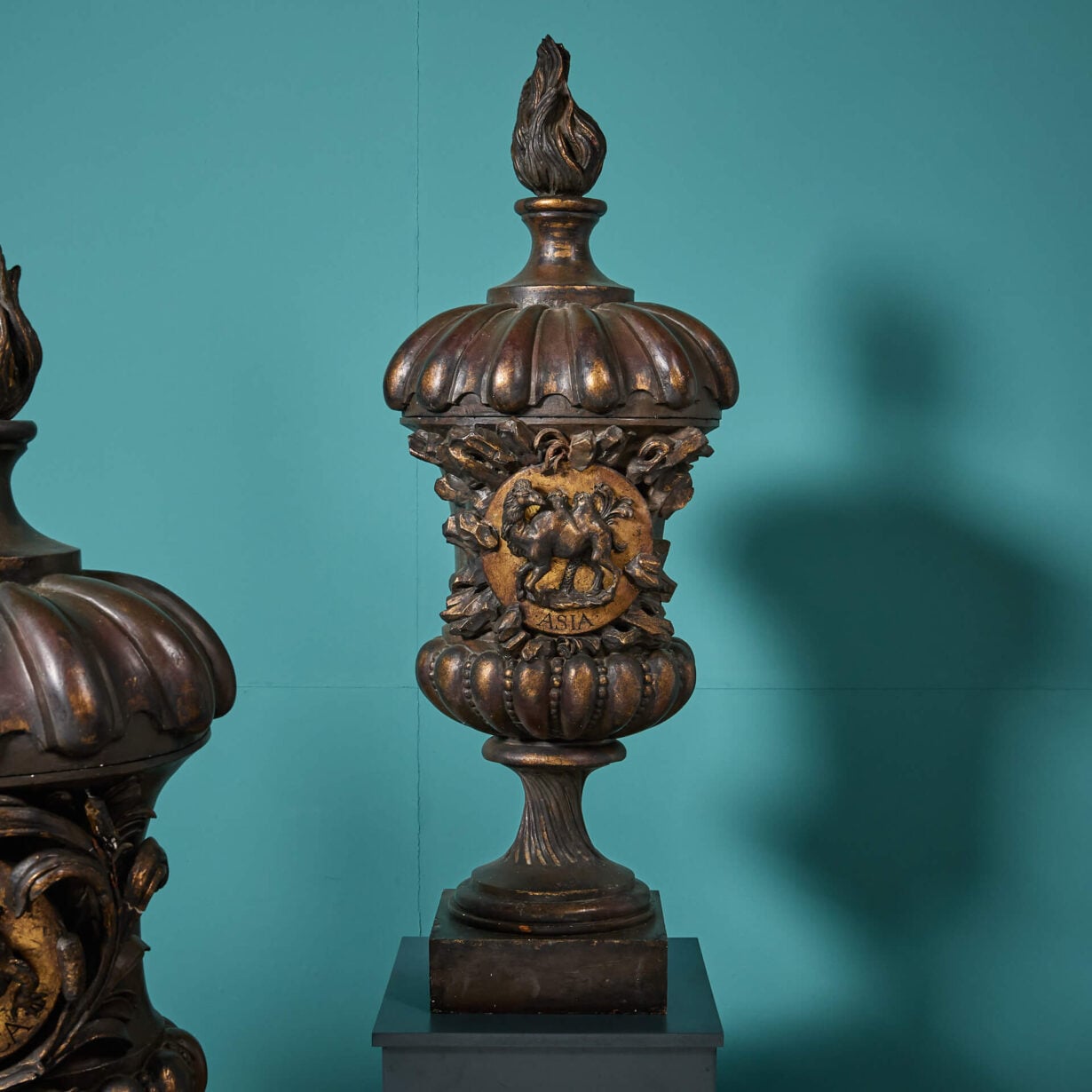
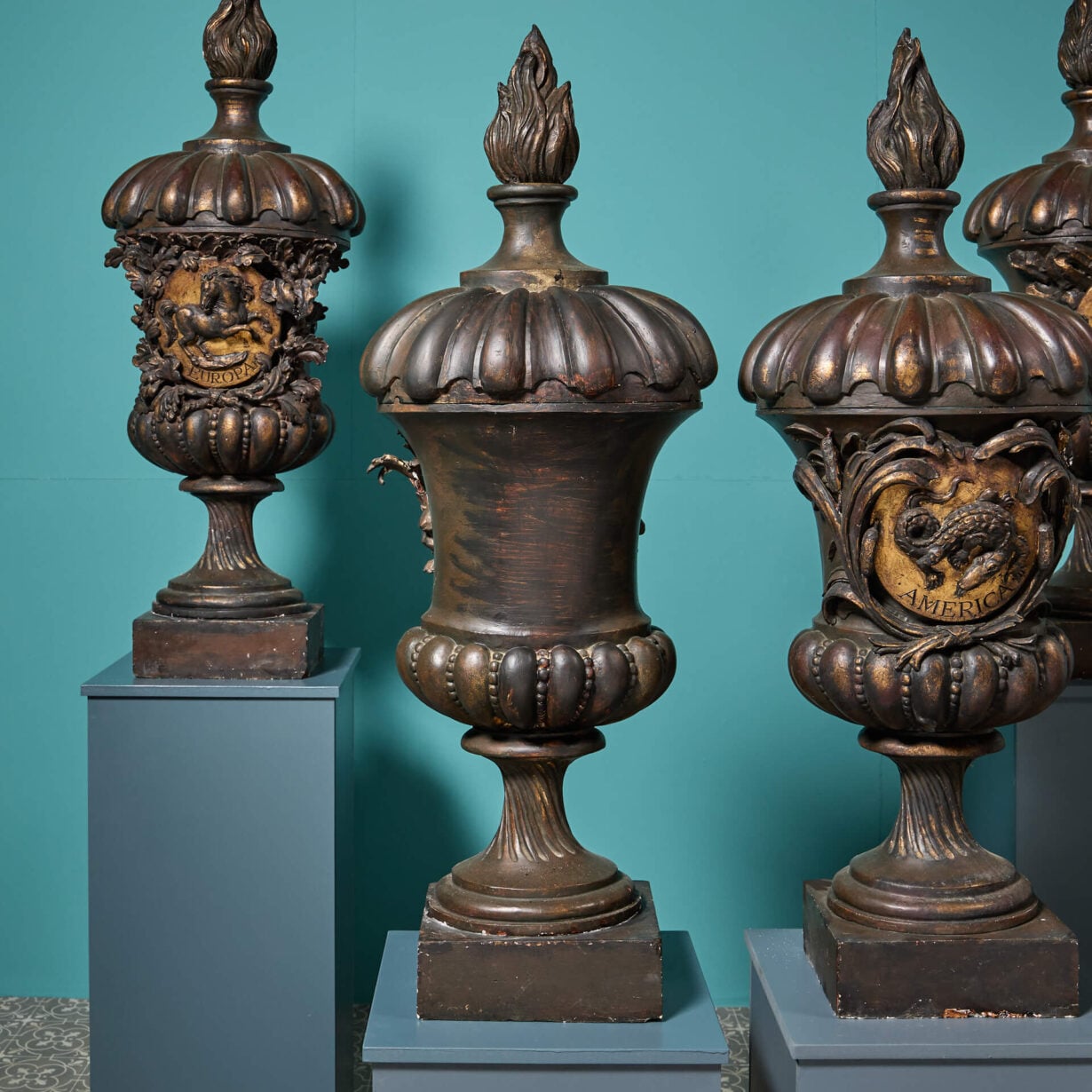
back to topA very impressive set of very large plaster lidded urns with a painted simulated bronze finish, previously positioned within The Menagerie at Horton Hall, Northamptonshire.
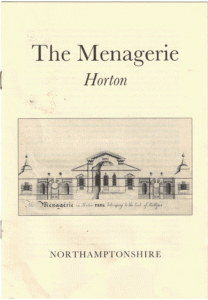
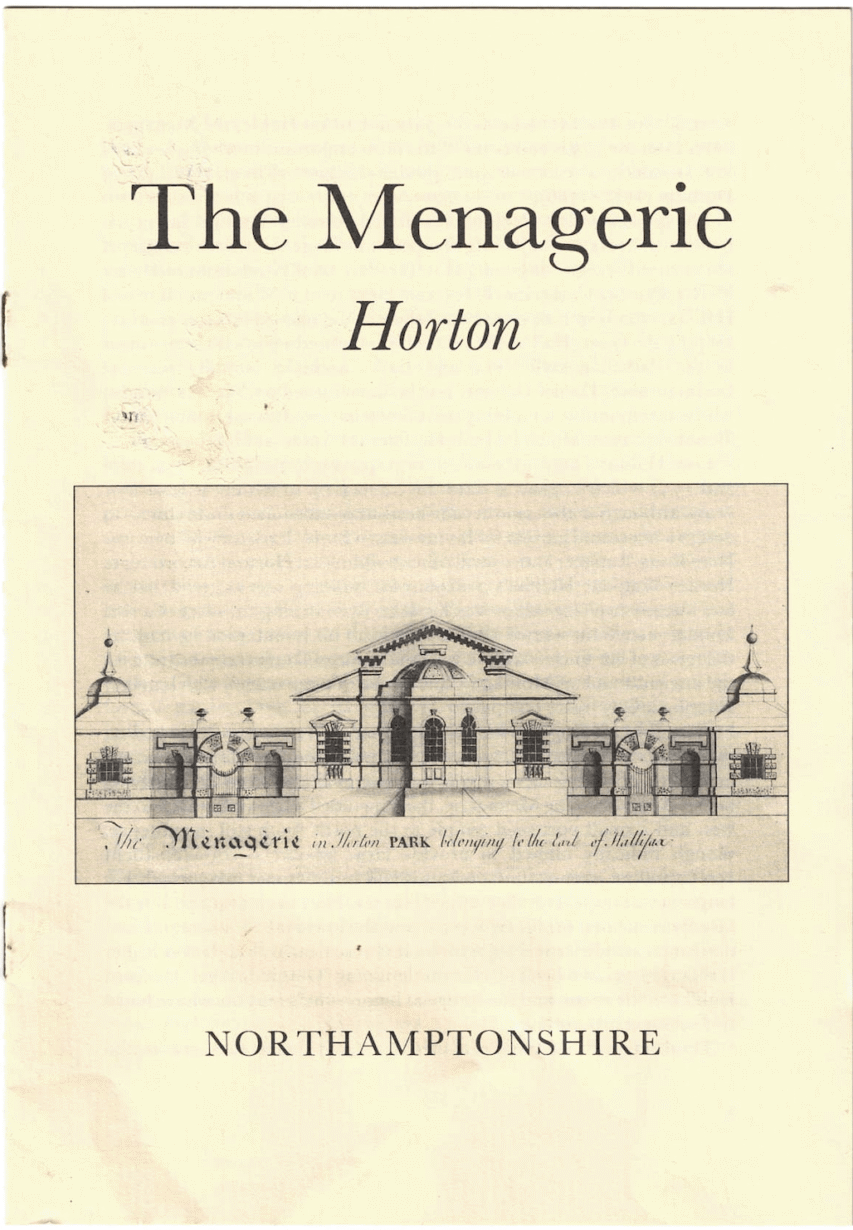
Originally built in the 1750s, the Palladian Menagerie at Horton was constructed for the second Earl of Halifax by garden designer, architect and astronomer, Thomas Wright of Durham (1711-1786). It served as a banqueting house and Lord Halifax’s private zoo which was reported to have contained birds, warthogs, a bear and even a tiger!
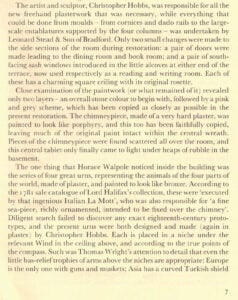
Sadly by 1975, the grand Menagerie was derelict. However, photographs of the building as it appeared in 1945 survived, prompting an extensive restoration project. From 1975 to 1977, the Menagerie was carefully restored to its former glory, the details of which are documented in an 8-page printed leaflet from which we have included some scanned extracts in the listing photos.
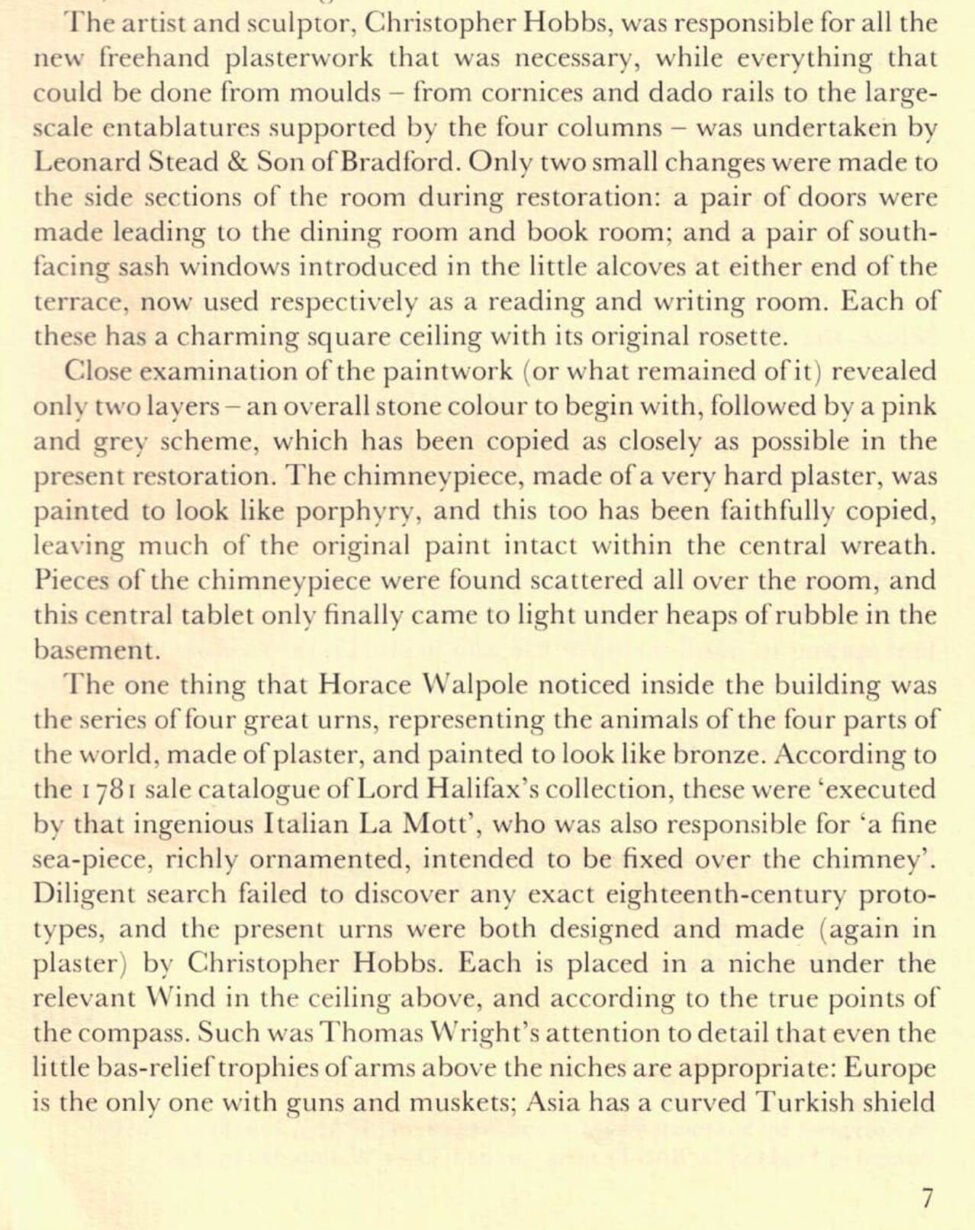
The Menagerie’s original interior was one of fine plasterwork. For the restoration, this work was commissioned to Leonard Stead & Son of Bradford – who carried out the mouldable elements – and artist and sculptor, Christopher Hobbs – who was responsible for all the freehand plasterwork. This included these four exact urns situated in the Menagerie’s Saloon which were designed and made by Hobbs himself. They are taken after the limewood model by British artist, Rex Whistler (1905-1944), made for the London home of English industrialist, Samuel Cortauld (1876-1947) in 12 North Audley Street.
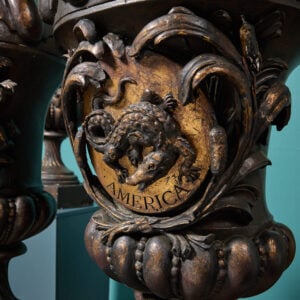
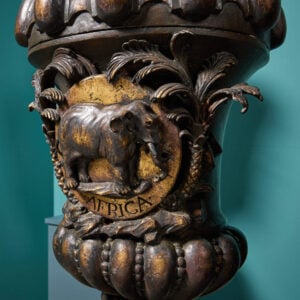
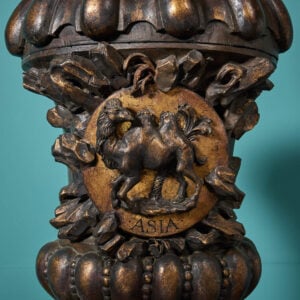
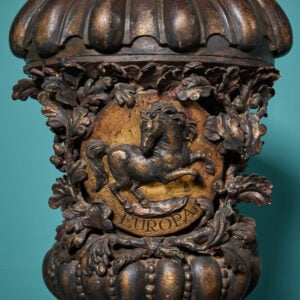
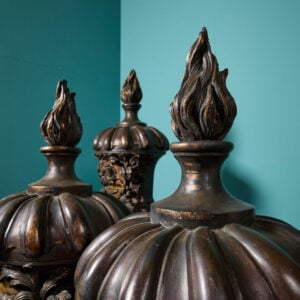
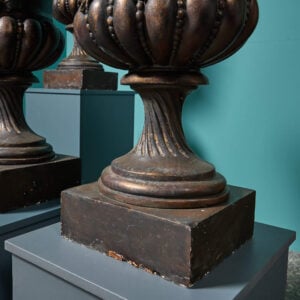
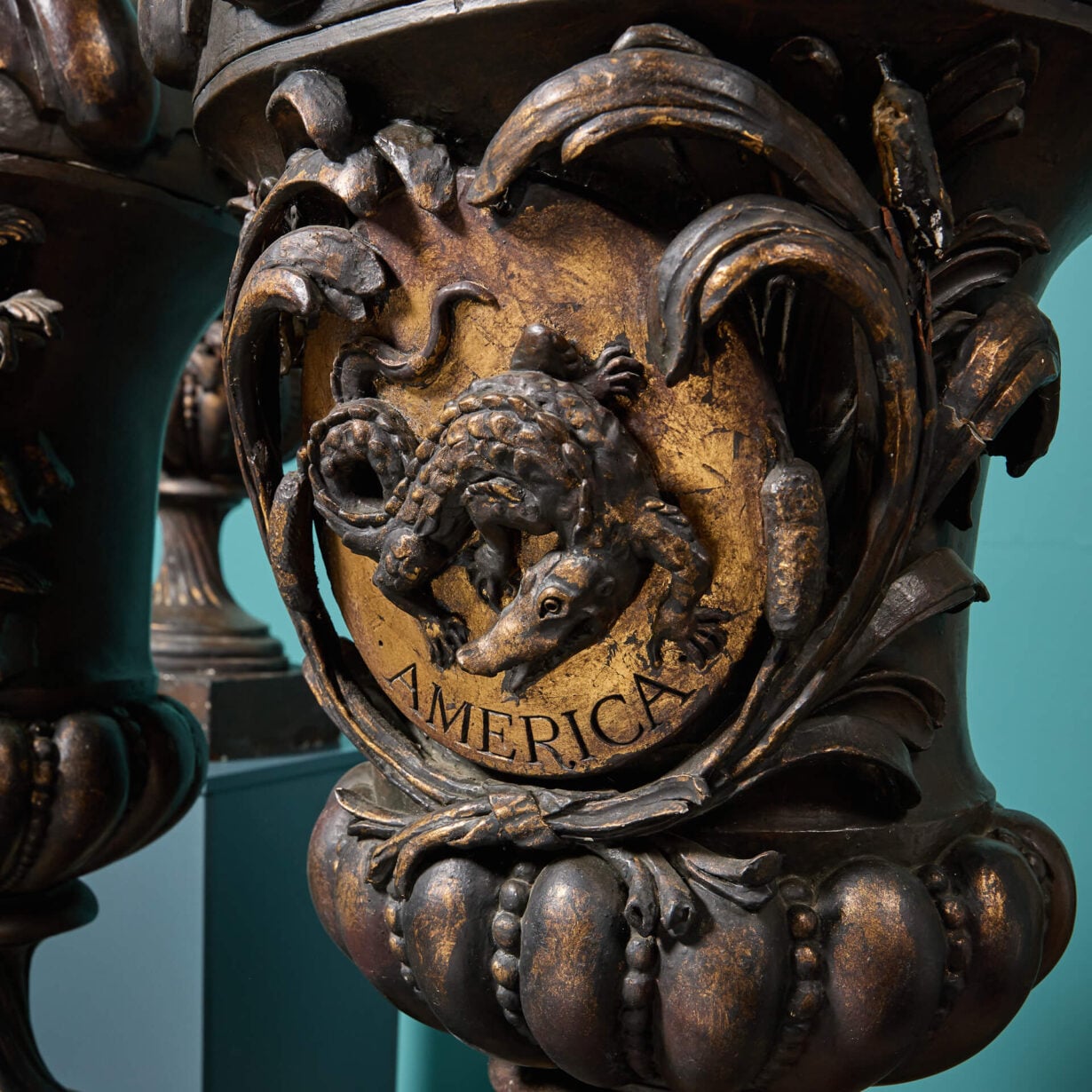
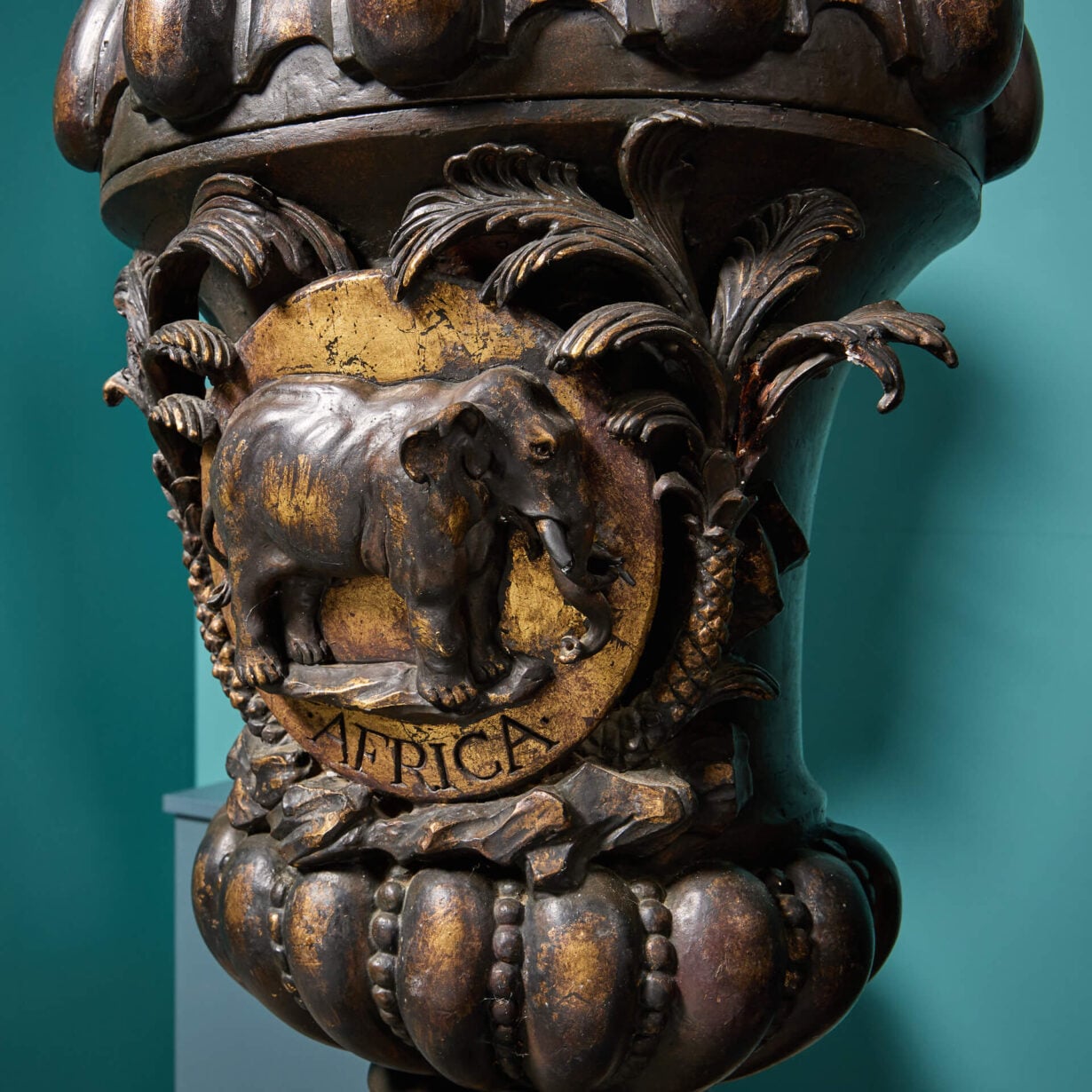
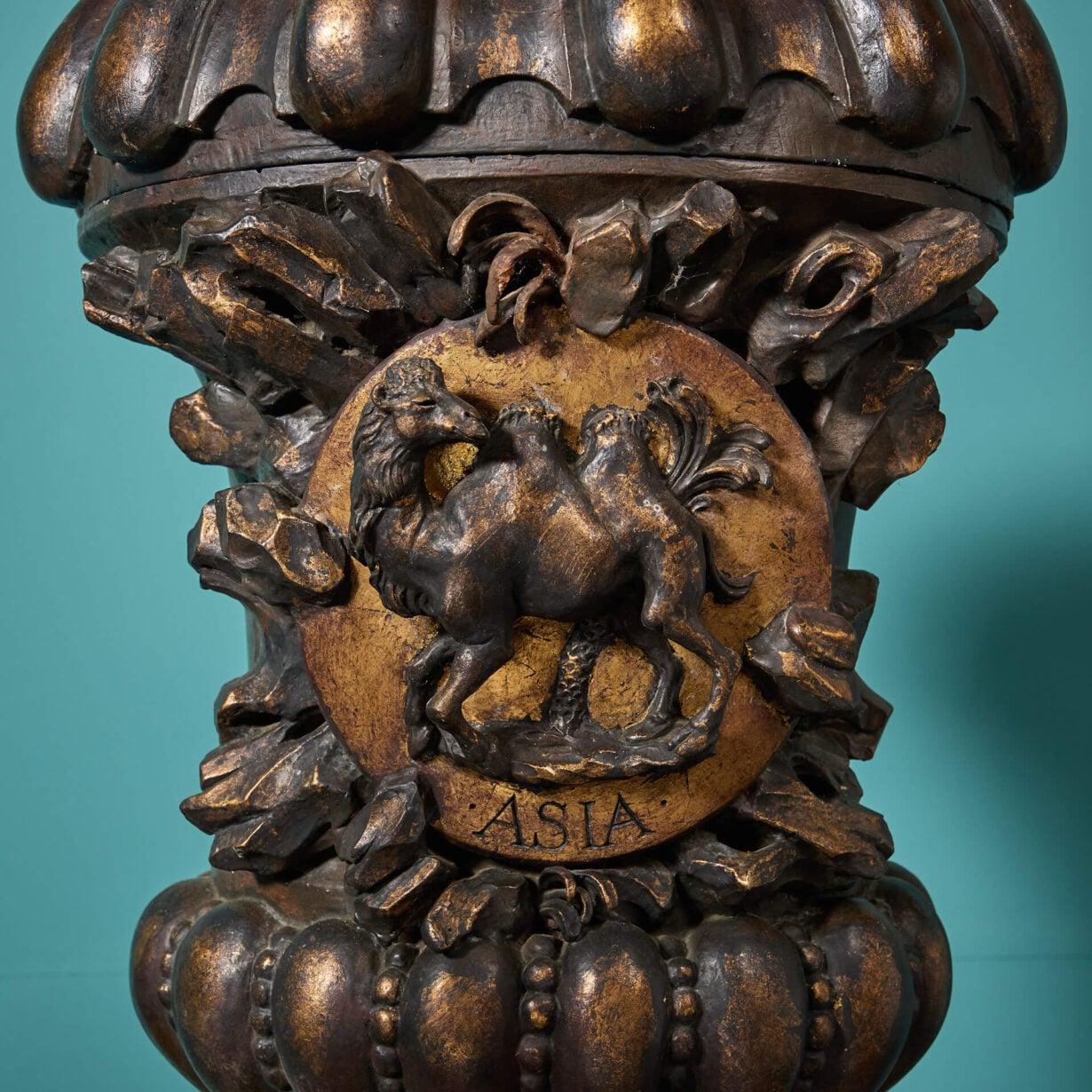
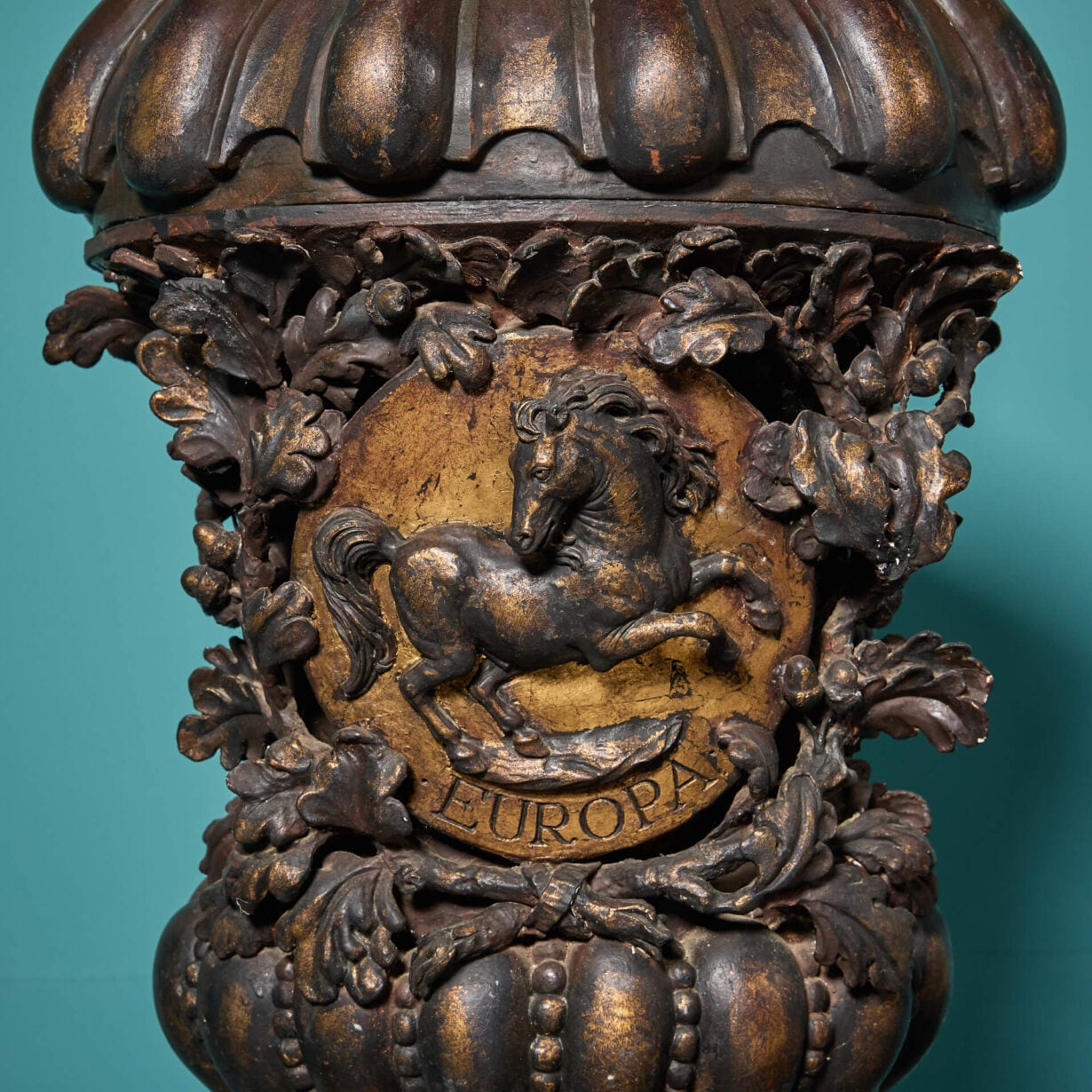
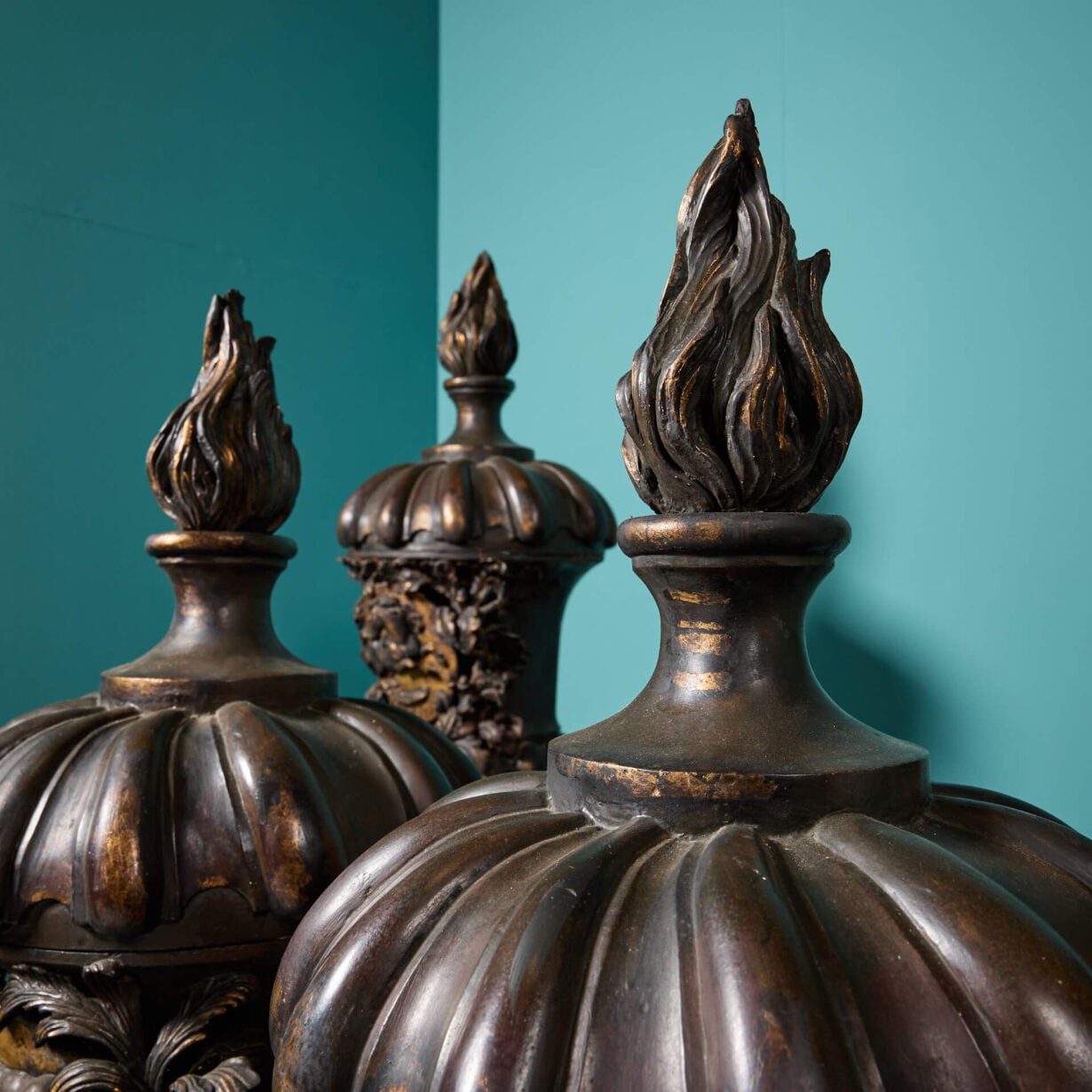
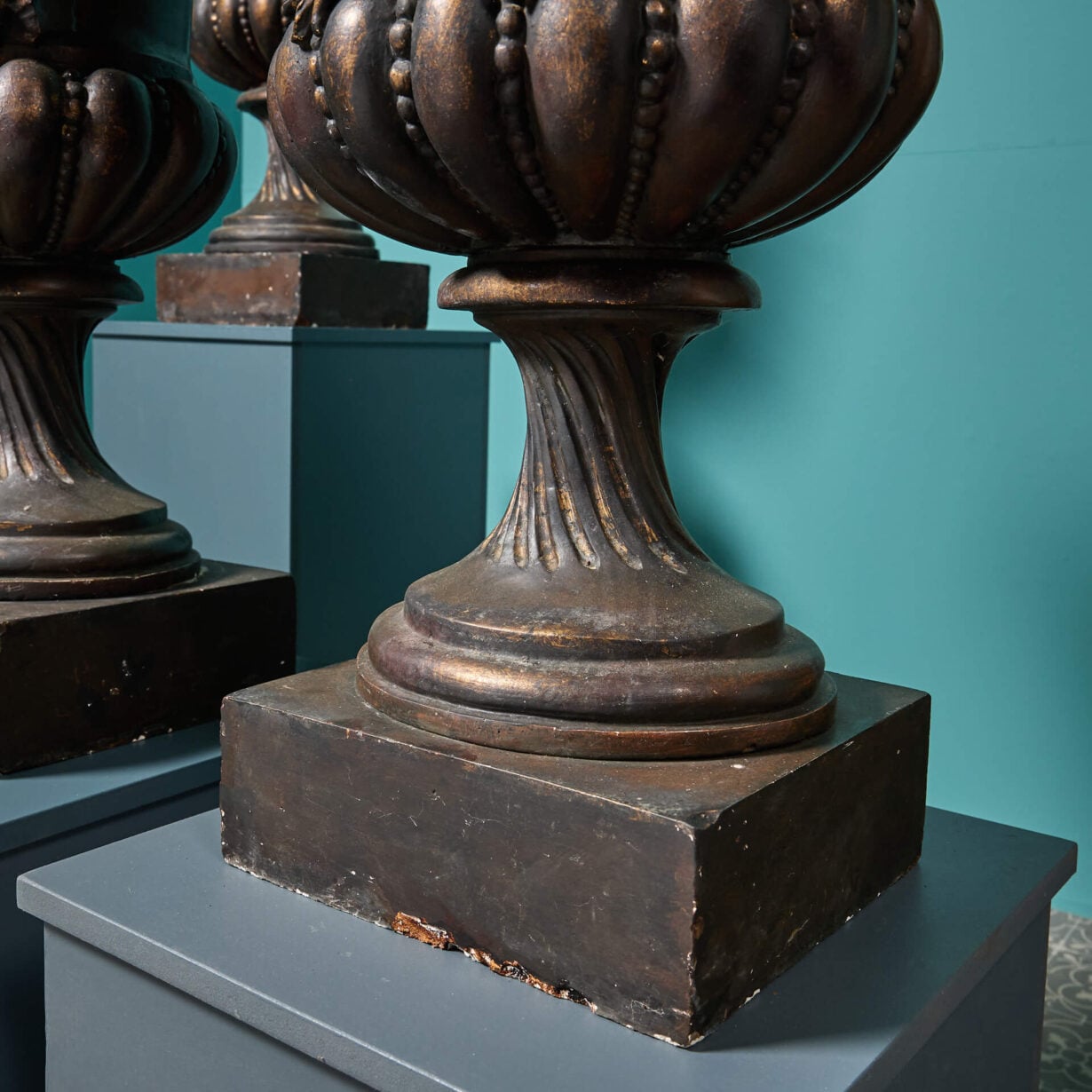
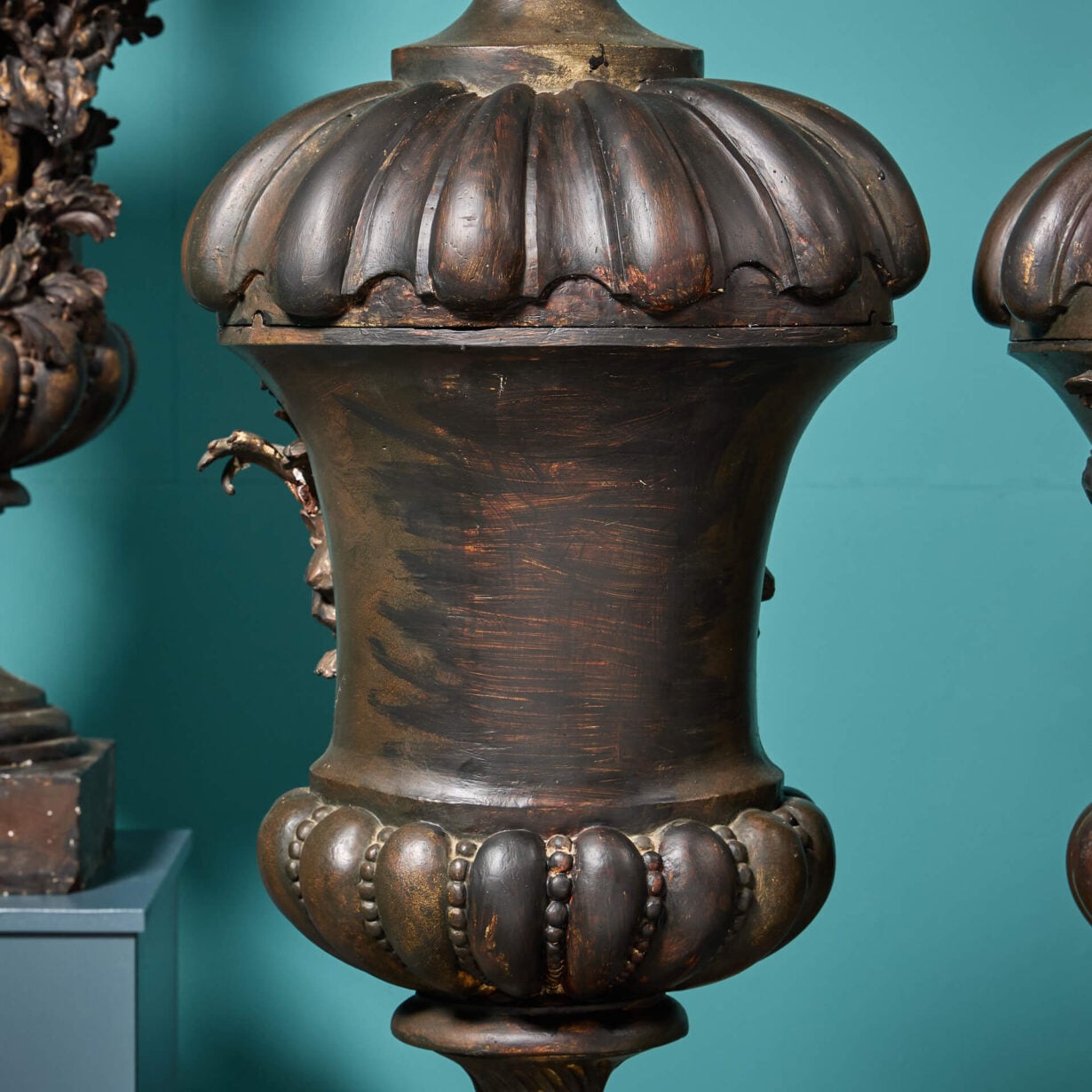
Each urn represents an animal of four parts of the world: a horse for ‘Europa’, an elephant for ‘Africa’, an alligator for ‘America’ and a camel for ‘Asia’. These animal roundels form the central subject for each urn, surrounded with differing foliage upon a gadrooned base with socle. The gadrooning pattern continues in the lid above, each finished with a flame finial for a final flourish of grandeur!
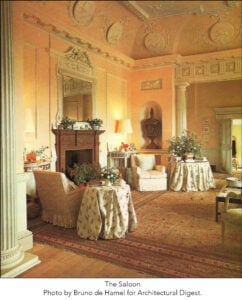
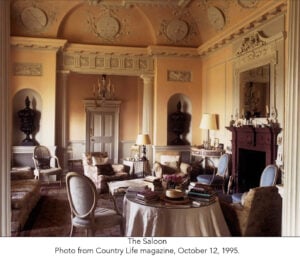
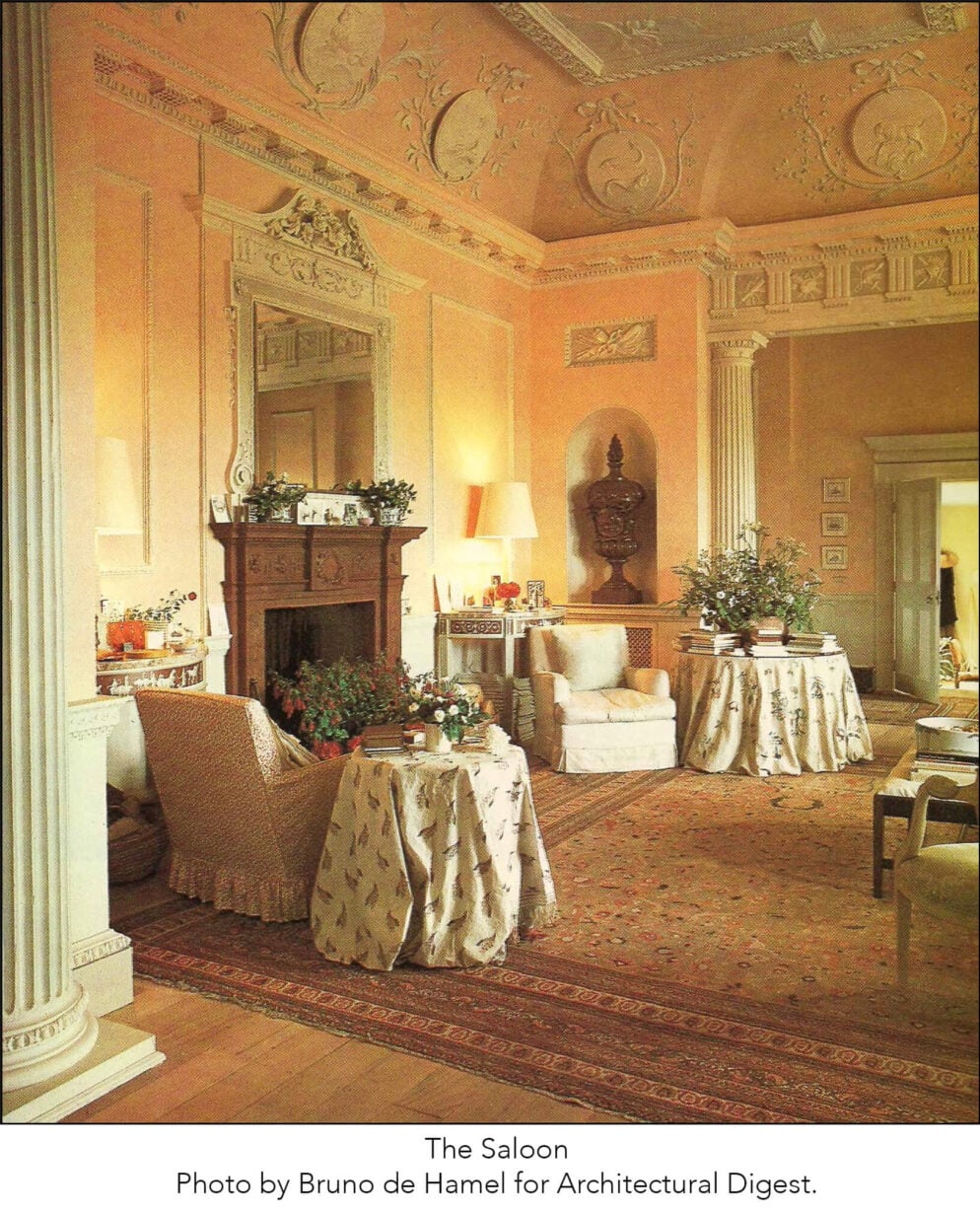
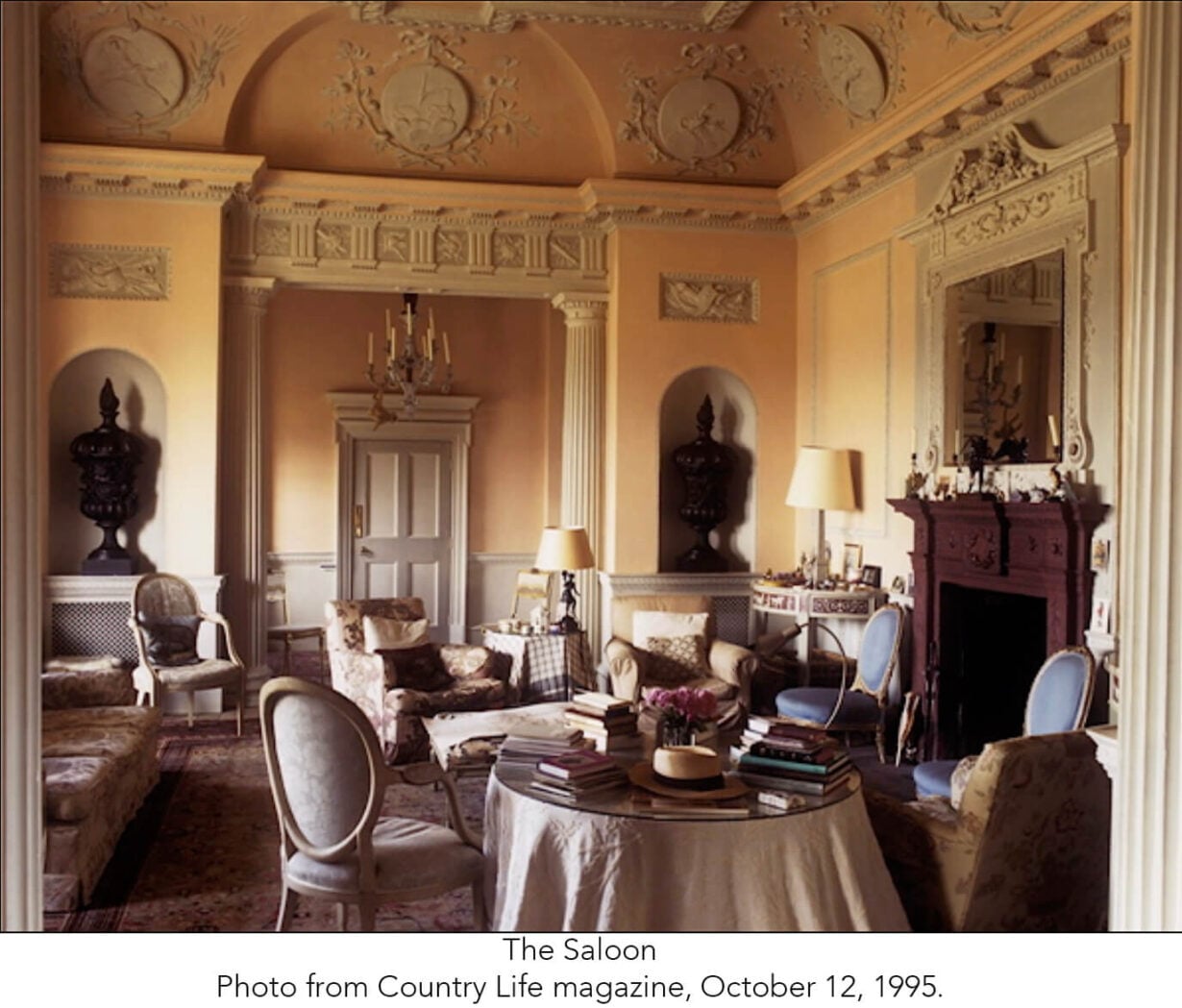
Photos showing these impressive urns within arched recesses in the Saloon of the Menagerie were published in Country Life magazine’s 12th October 1995 edition and in Architectural Digest, photographed by Bruno de Hamel, both of which can be seen in the listing photos.
With their unique provenance, striking design and huge scale, these impressive urns will make spectacular decorative pieces in a large interior space styled in complementary fashion.
Additional Dimensions
Bases: 27.5 x 31.5cm (10.82 x 12.40 in)